

Finding and analyzing your market opportunity is an essential step in building a scalable startup.
New products and services won’t succeed unless they add meaningful value to users — and those users are willing to pay for such value. Building a successful company requires understanding of your market: the ecosystem of people and companies experiencing some kind of problem that your offering can help solve.
Your opportunity comes from identifying that problem and positioning your product to be the solution.
What Is Market Opportunity?
Market opportunity is the potential for your business to make money by offering a product or service that fills a need for customers that competitors have not sufficiently addressed.
Once upon a time, brick-and-mortar bookstores such as Barnes and Noble were firmly entrenched as go-to options in their market. Amazon recognized an opportunity (a more convenient, delivery-based option) and seized it. Startups often talk about disrupting their market, and that really just means finding a new opportunity within an existing ecosystem.
There are millions of startups out there. Yours won’t succeed unless you offer something different. For example, you could start a SaaS cybersecurity company, but you’ll likely face major competition. Maybe some market research reveals that sales automation SaaS platforms need a better security offering. Now you can find your niche and take advantage of the opportunity.
Benefits of a Market Opportunity Analysis
Conducting a market opportunity analysis can help:
- startup leaders developing their company’s positioning for a pitch deck;
- product developers working towards product-market fit;
- sales professionals prospecting for new leads and exploring new markets; and
- accelerators, incubators and investors seeking to diversify their portfolio.
How to Find Market Opportunity
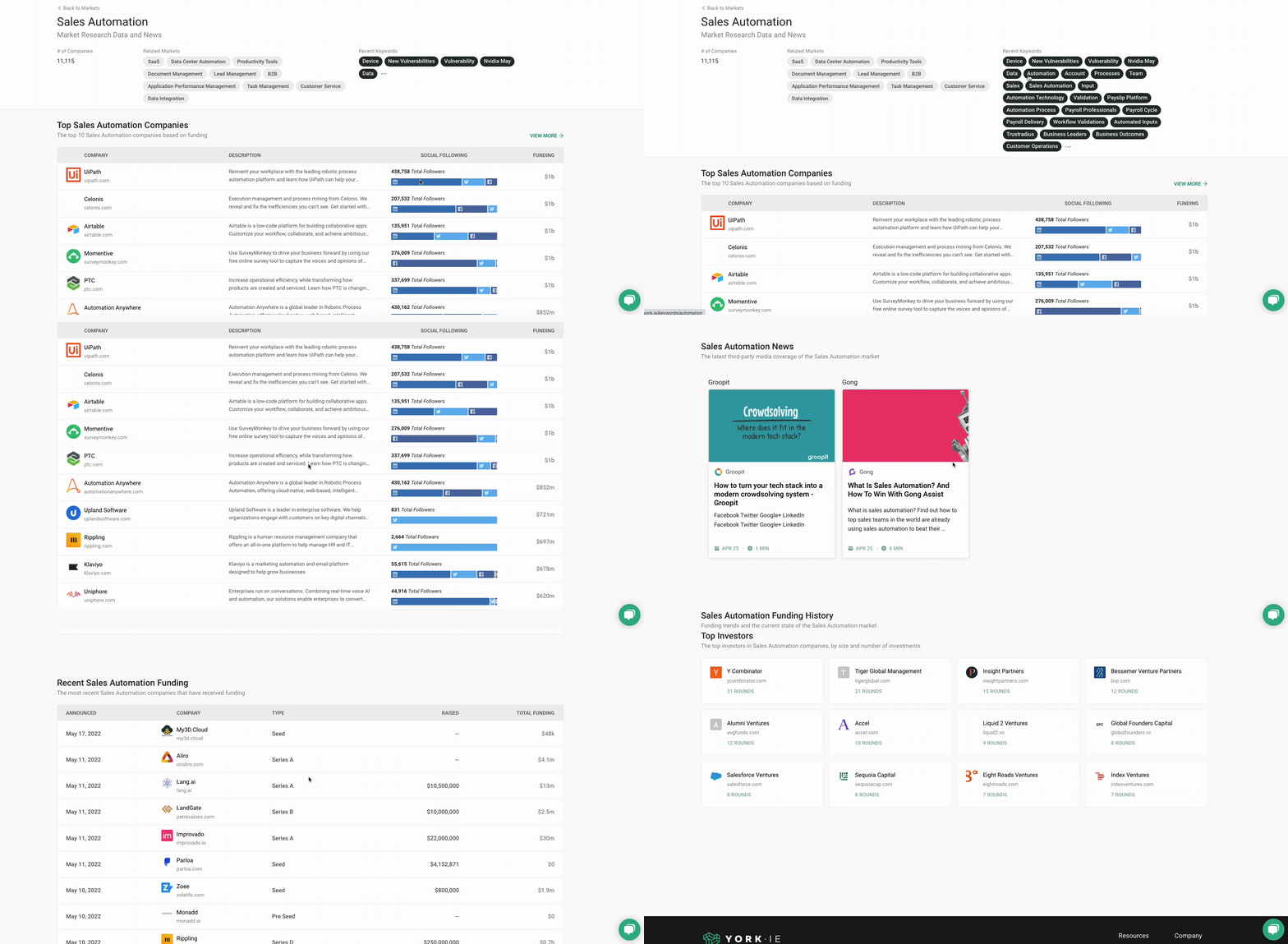
York IE Fuel simplifies market research and market opportunity analysis while providing the most up-to-date information for your search.
Most market and competitive intelligence platforms require startups to manually update their market category and other information. Unfortunately, not every company maintains its profile’s accuracy — and startups are constantly pivoting and creating new markets. Analyst firms provide market intelligence, but companies typically have to pay to play to get included in their reports.
Fuel instead uses artificial intelligence and natural language processing to learn how a company positions itself and automatically classifies that company within its relevant market. New companies are added and existing ones are reclassified every day. It’s dynamic, real-time market categorization.
Uncover Your Opportunity
Use in-depth, up-to-date market profiles
to help your startup stand out from the crowd.
SIGN UP FOR FUEL
Here’s how to conduct market opportunity analysis:
- Search for markets.
- Explore related markets and topics.
- Find more companies.
- Read market news.
- Study funding and investment information.
1. Search for Markets
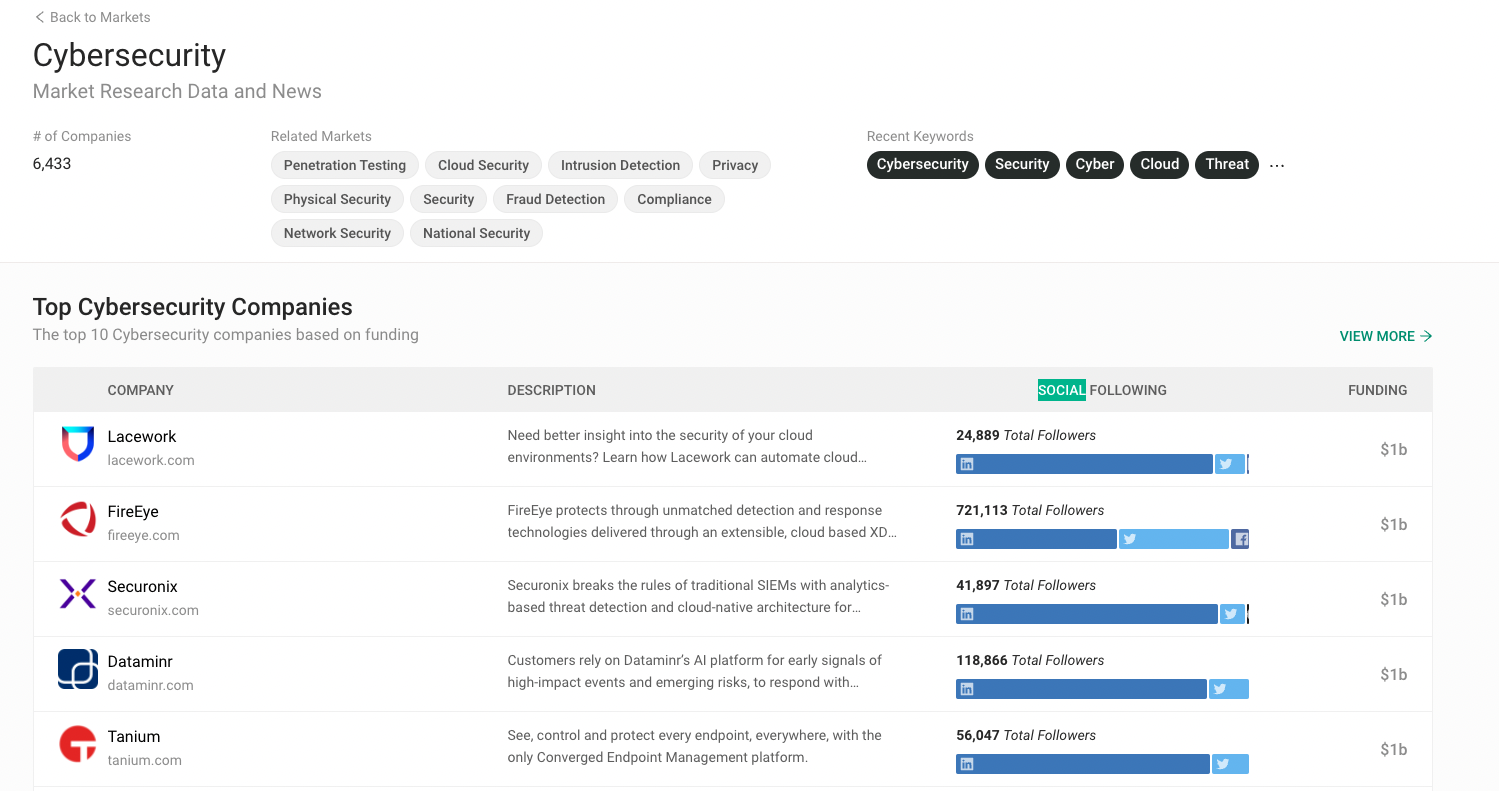 From your Fuel dashboard, hover over the Research tab and select Markets from the dropdown. On this page you can browse markets based on your interests and investments. Search for a market that interests you, and navigate to that market’s page
2. Explore Related Markets and Topics
 Once you’ve selected your market, you’ll be brought to its market page. At the top of the page is a list of markets related to yours, as well as keywords that are popular in the market.
3. Find More Companies
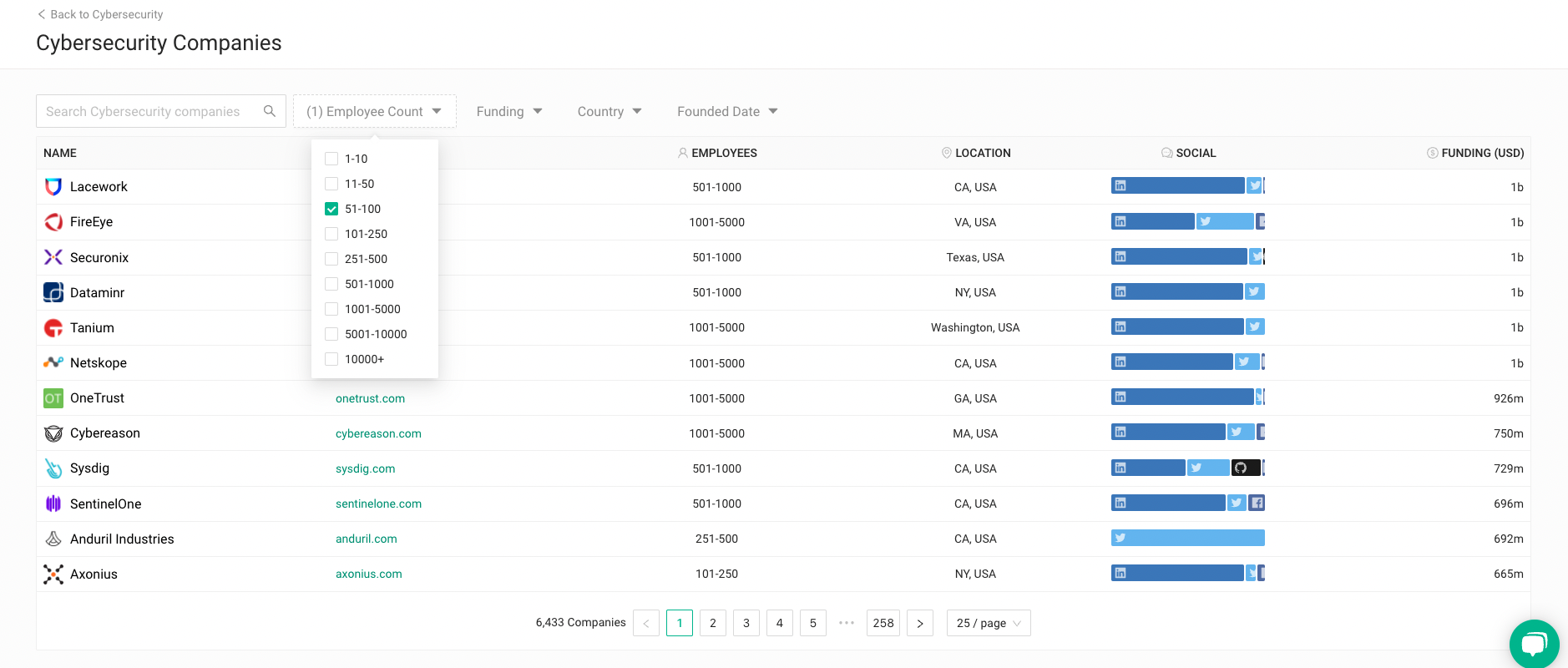 Scroll down and you’ll see a list of the top 10 companies in the market based on total funding. To dig deeper, click the View More tab. From there, you can sort and filter companies in your market by employee count, funding, country and founding date.
4. Read Market News
 Click back to the market page. Below the list of top 10 companies, you’ll find the most recent blog posts and owned content from companies in your market, as well as third-party media coverage.
5. Study Funding and Investment Information
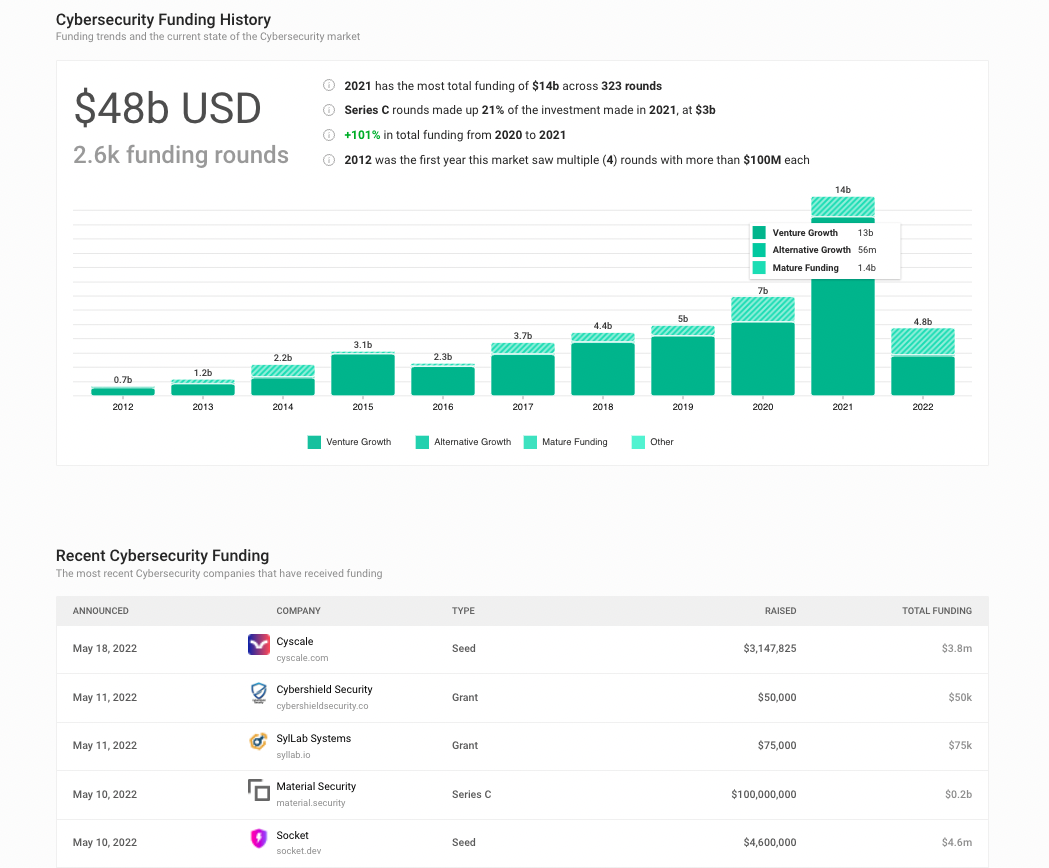 Towards the bottom of the page you’ll see a chart that maps the funding history of your market, with key insights on recent trends. Beneath that chart is a list of the most recent funding events by companies in your market. Finally, you’ll find information on the most prominent investors in the space, sorted by size and number of investments in the market.
Conducting a Market Opportunity Analysis
You’ve got all the market research tools you need. Now comes time for your market opportunity analysis.
Armed with insights, you can start to make strategic decisions for your business. Only you know how your vision fits into the market. Here are a few possible ways to use Fuel to your advantage:
- Are there recent keywords in your market that you’re not talking about? Perhaps you can change your branding and your positioning statement to address these topics.
- Looking for new sales prospects? Use the filter and sort capabilities to find companies that align your ideal customer profile.
- Time to seek investment? Stay plugged in with your competitors’ startup valuations and narrow down the best investors to approach.
You’ll need to be ready when your market opportunity presents itself. Stay informed so you’re ready to pounce when your time comes. Sign up for Fuel today and get started.